Save on Plumbing Services Today
Avoid These 5 Costly Water Heater Mistakes That Can Skyrocket Your Energy Bill
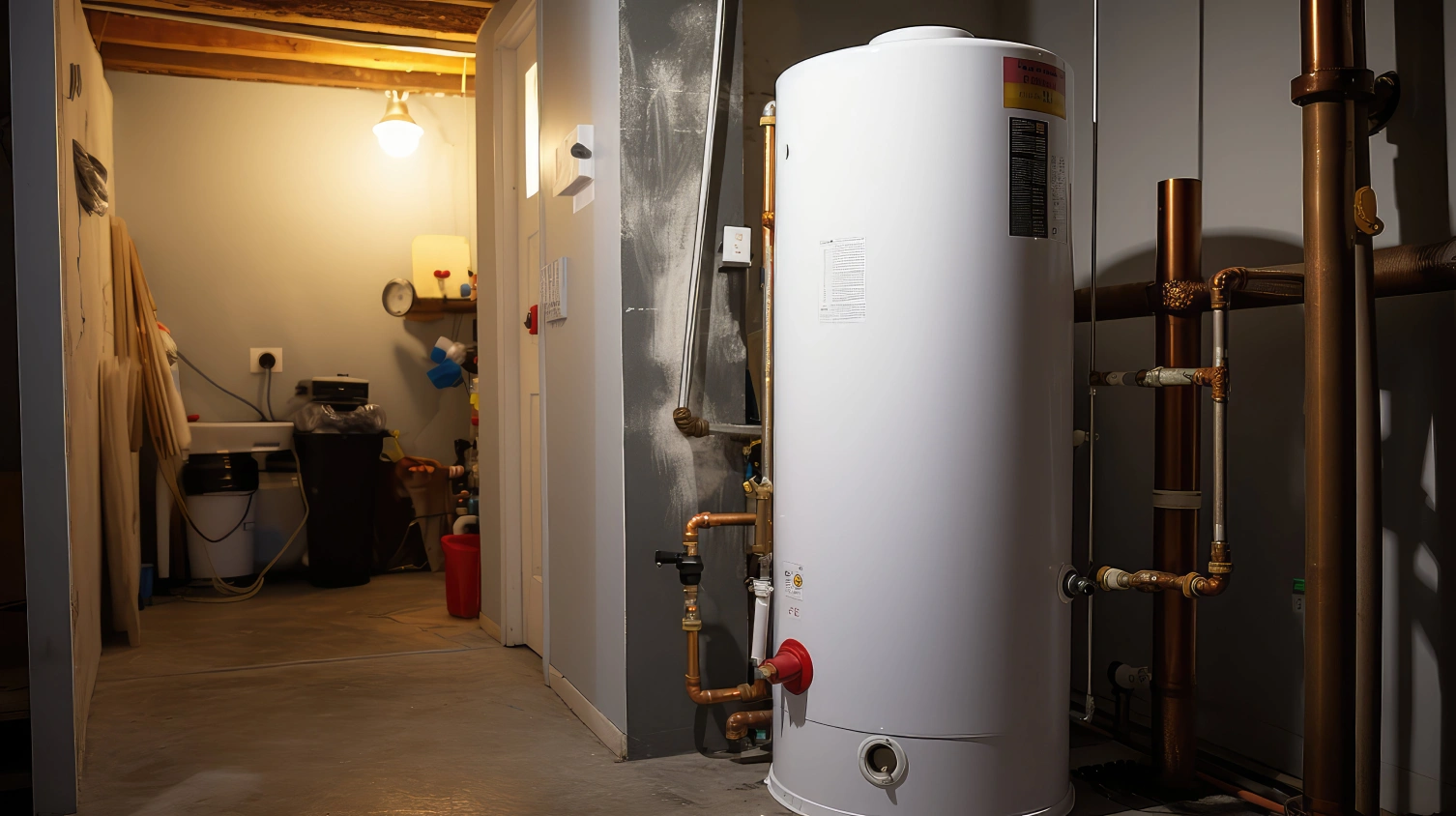
Skipping Annual Maintenance
Many Las Vegas homeowners skip their annual water heater inspection, assuming the unit will keep running indefinitely. This oversight costs you far more than the price of a service call. Without regular maintenance, sediment from our hard desert water accumulates at the bottom of the tank, creating an insulating barrier between the burner and the water. Your system works harder and longer to heat the same amount of water, consuming 10-15% more energy each month.
In Clark County, where mineral content in municipal water ranges significantly higher than coastal cities, this buildup happens faster than you might expect. A tank that hasn’t been flushed in three years may have several inches of calcium and mineral deposits, forcing your heating element to cycle constantly. The added strain shortens the unit’s lifespan by years and increases the risk of catastrophic failure.
Schedule water heater repair services annually to flush the tank, inspect the anode rod, test the pressure relief valve, and verify temperature settings. This simple step typically costs less than two months of the excess energy you’ll waste without it. The difference shows up immediately on your utility bill, especially during our hot summers when water entering the home is already warmer and you might not notice performance decline until it’s severe.
Setting Temperature Too High
The factory default setting on most water heaters is 140°F, but the Department of Energy recommends 120°F for nearly every household. That 20-degree difference might seem minor, yet it increases your water heating costs by 6-10% while creating unnecessary safety risks. Scalding injuries occur at 140°F in just five seconds, compared to two full minutes at 120°F, making the lower setting both safer and more economical.
During Las Vegas summers, when ambient temperatures in garages and utility closets regularly exceed 110°F, an overheated water heater works even harder to maintain that excessive temperature. The unit cycles more frequently, standby heat loss accelerates, and you’re essentially paying to superheat water you’ll immediately blend with cold at every faucet. Most families never use water hotter than 120°F anyway since dishwashers have built-in heating elements and laundry rarely requires scalding temperatures.
Check your thermostat today. If it’s above 120°F, turn it down and mark your calendar to check your next utility bill. You’ll notice the savings within one billing cycle. If you have a tankless system or are considering tankless water heater installation, these units allow precise temperature control for each fixture, eliminating energy waste entirely. For older tank systems, a simple adjustment delivers immediate returns without requiring any new equipment or water heater replacement.
Ignoring a Failing Unit
Water heaters don’t fail suddenly without warning. They decline gradually, giving you months of signals: longer recovery times, temperature fluctuations, strange noises, discolored water, or moisture around the base. Homeowners who ignore these signs pay twice: first through steadily climbing energy bills as efficiency drops, then through emergency replacement costs when the tank finally ruptures.
An aging or failing water heater can lose 20-30% efficiency in its final two years of operation. In neighborhoods like Summerlin and Henderson, where many homes were built in the early 2000s, original water heaters are now operating well past their 10-12 year design life. These units consume significantly more energy than modern replacements while delivering inconsistent performance. Every month you delay replacement costs you $30-60 in excess utility charges, money that could fund a substantial portion of a new, efficient system.
If your water heater is approaching ten years old or showing signs of decline, contact a plumbing contractor for an evaluation. Today’s models, particularly high-efficiency tanks and tankless systems, use 20-50% less energy than units manufactured a decade ago. The upgrade pays for itself through lower monthly bills, and you avoid the disruption and potential water damage of an emergency failure. Acting proactively on water heater replacement saves money, time, and stress while giving you control over timing and equipment selection.
Choosing the Wrong System Type
Bigger is not always better when it comes to water heaters. An oversized tank heats and maintains more water than your household uses, wasting energy on standby heat loss 24 hours a day. Conversely, an undersized unit runs continuously during peak demand, never catching up and operating at its least efficient point. Both scenarios inflate your energy bill while delivering poor performance.
The right size depends on your household’s peak-hour demand, not just the number of people. A family of four with teenagers who all shower in the morning has very different needs than a retired couple with staggered schedules. In Las Vegas, where many homes have pools and outdoor showers, summer usage patterns differ dramatically from winter. A commercial plumber or residential specialist can calculate your actual first-hour rating requirement and match it to the correct tank capacity or flow rate for tankless systems.
If you’re building, remodeling, or replacing an old unit, resist the temptation to simply match the existing size. Housing occupancy changes, appliances become more efficient, and modern tankless water heater installation options may eliminate the sizing guesswork entirely by heating water on demand. Right-sizing your system can cut water heating costs by 15-25% compared to an oversized tank, with the added benefit of freeing up valuable storage space in your garage or utility room. Whether you need new plumbing installation or system optimization, proper sizing is the foundation of efficiency.
If you’re unsure about your water heater’s condition, efficiency, or whether it’s costing you more than it should, we can provide a thorough evaluation and practical recommendations. Our team serves Las Vegas, Henderson, and throughout Clark County with straightforward assessments that help you make informed decisions. Contact us to schedule a no-pressure consultation and start lowering your energy bills today.
Choosing the Wrong System Type
The decision between a traditional tank and a tankless system isn’t simply about upfront cost; it’s about matching your household’s hot water usage patterns to the right technology. Many Las Vegas homeowners install tank systems out of habit, even when their usage patterns would benefit significantly from switching to tankless technology. With our region’s higher-than-average electricity rates and year-round hot water demand for multiple bathrooms, the wrong choice compounds your energy waste daily.
Tank water heaters maintain a reservoir of hot water around the clock, cycling on and off to keep that water hot whether you’re using it or not. For households that use hot water sporadically or have long periods when no one is home, this standby energy loss represents pure waste. Conversely, tankless units heat water on demand, eliminating standby loss entirely but requiring higher initial capacity to meet peak demand. Families with heavy simultaneous usage may find a single tankless unit insufficient, leading to temperature drops during showers, dishwashing, and laundry overlap.
The typical Las Vegas home built in the 1990s and early 2000s often has a 40- or 50-gallon tank that was sized for smaller household water usage patterns. As families grow or add features like soaking tubs, the mismatch becomes costly. A water heater replacement evaluation considers your actual usage, household size, simultaneous draw requirements, and fuel type to recommend the most efficient system. Switching from an aging tank to a properly sized tankless unit can reduce water heating energy consumption by 24-34% for homes that use 41 gallons or less of hot water daily. For larger households, hybrid heat-pump water heaters or multiple point-of-use tankless units may deliver better efficiency.
If you’re unsure whether your current system matches your household’s needs or want guidance on the most cost-effective upgrade path, contact us for a professional evaluation. Our team will assess your usage patterns, space constraints, and budget to recommend the water heater solution that delivers reliable hot water at the lowest operating cost for your Las Vegas home.