Save on Plumbing Services Today
5 Costly Plumbing Mistakes New Homeowners Make During Remodels
Ignoring Water Pressure Requirements
One of the most financially damaging decisions new homeowners make is investing tens of thousands of dollars into a beautiful kitchen or bathroom remodel without first evaluating the condition of the pipes hidden behind those walls. Once drywall is closed, tile is set, and custom cabinetry is installed, discovering a corroded galvanized pipe or failing connection becomes exponentially more expensive to address. In Las Vegas homes built before the 1980s, original galvanized steel pipes are common, and decades of exposure to our mineral-rich Colorado River water supply create heavy calcification and internal corrosion that severely restricts water flow and increases the risk of sudden leaks.
The desert heat in Las Vegas accelerates pipe degradation in ways that homeowners from other climates may not anticipate. Attic temperatures regularly exceed 140 degrees Fahrenheit during summer months, placing enormous thermal stress on any water lines routed through those spaces. When homeowners remodel a bathroom or kitchen without inspecting the supply lines, they risk installing high-end fixtures on pipes that may fail within months, forcing them to tear out brand-new finishes to access the problem. The cost of whole home repiping completed before or during a remodel is a fraction of the expense incurred when emergency repairs destroy newly installed tile, countertops, or flooring.
Homeowners who choose copper repiping or PEX and copper repiping during their renovation gain decades of reliable service and protect their investment in finishes and fixtures. Copper remains a durable, heat-resistant choice well-suited to our climate, while PEX offers flexibility and resistance to mineral buildup. Both materials far outlast the aging galvanized steel found in many older Las Vegas properties. Addressing pipe replacement during the remodel, when walls are already open and access is easy, transforms a potential disaster into a planned upgrade. Waiting until after the remodel is complete to discover failing pipes turns a manageable project into a costly emergency that undoes all the aesthetic work you just paid for.
Skipping Proper Drain Venting
One of the most overlooked aspects during a remodel is ensuring adequate water pressure throughout your home. Many new homeowners focus on aesthetics without considering whether their existing plumbing system can handle additional fixtures or relocated water lines.
In Las Vegas, where water pressure can fluctuate due to municipal supply variations and elevation changes across neighborhoods from Henderson to Summerlin, this oversight becomes even more critical. Adding a second bathroom or relocating your kitchen sink without evaluating your home’s water pressure can result in weak flow, inconsistent temperatures, and fixtures that never perform as intended.
A plumbing contractor can perform a pressure test before your remodel begins, identifying whether you need a booster pump or pressure regulator. They’ll also ensure that pipe sizing matches your new layout, preventing bottlenecks that restrict flow. Addressing these issues during the planning phase costs far less than tearing into finished walls later to correct inadequate pressure.
Using Mismatched Pipe Materials
Drain vents are essential components that allow sewer gases to escape and maintain proper drainage flow, yet they’re frequently forgotten during remodels. When homeowners relocate sinks, toilets, or showers without extending or adding vent lines, they create conditions for slow drains, gurgling sounds, and sewer odors that permeate living spaces.
The dry desert climate in Las Vegas can exacerbate venting problems, as P-traps may evaporate more quickly in guest bathrooms or secondary fixtures that see infrequent use. Without proper venting, negative pressure develops in drain lines, pulling water from traps and allowing sewer gases to enter your home.
Professional plumbing remodeling services ensure every new or relocated fixture receives adequate venting according to building codes. This might mean running new vent stacks through your roof or connecting to existing vent lines with properly sized pipes. While this work happens behind walls and may seem invisible, proper venting protects your indoor air quality and ensures drainage systems function reliably for decades.
Choosing the Wrong Water Heater for Your Home’s Needs
Attempting to save money by mixing incompatible pipe materials or using incorrect fittings creates a recipe for leaks, corrosion, and premature system failure. New homeowners often purchase whatever materials appear cheapest at the hardware store without understanding how different metals and plastics interact or which connections require specific adapters.
In many Las Vegas homes built before 2000, you’ll find galvanized steel or copper piping. Connecting modern PEX directly to copper without dielectric unions can cause galvanic corrosion, while using plastic fittings rated for cold water only on hot water lines leads to failures within months. The mineral content in Southern Nevada’s water supply accelerates these problems, making proper material selection even more critical.
A qualified plumbing contractor understands which materials work together and which connections require special fittings to prevent chemical reactions. They’ll also recommend repiping services when your existing pipes are too deteriorated to accept new connections safely. Investing in compatible, code-approved materials during your remodel prevents emergency repairs and water damage that cost exponentially more than doing the work correctly from the start.
Overlooking Future Access for Plumbing Maintenance
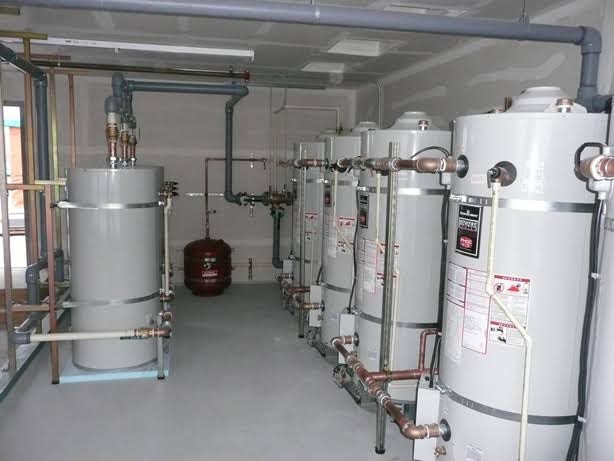
Selecting an undersized or inappropriate water heater during a remodel is a mistake that reveals itself in frustrating daily shortages and inflated utility bills for years to come. Many new homeowners underestimate their household’s hot water demands or fail to account for the specific challenges of Las Vegas water conditions when choosing between tank and tankless systems.
The desert climate and mineral-heavy water supply from the Colorado River system create unique demands on water heating equipment in the Las Vegas area. Hard water accelerates sediment buildup inside traditional tank water heaters, reducing efficiency and lifespan faster than in other regions. Homeowners who install standard capacity tanks without considering these factors often face premature replacement costs within five to seven years instead of the typical ten to twelve year lifespan.
A common scenario involves new homeowners who remodel a master bathroom with a luxurious soaking tub and multiple shower heads, only to discover their existing 40-gallon water heater cannot supply enough hot water for a single bath. Upgrading to a larger tank or transitioning to tankless water heater installation requires additional expenses for electrical upgrades, gas line modifications, or structural changes that could have been planned during the initial remodel.
The decision between tank and tankless systems involves more than capacity alone. Tankless units offer energy efficiency and endless hot water but require specific electrical or gas infrastructure and higher upfront costs. Tank systems cost less initially but occupy valuable space and carry higher long-term operating expenses. For Las Vegas homes with multiple bathrooms or large families, whole home repiping paired with proper water heater replacement ensures adequate pressure and temperature throughout the property.
Many homeowners also overlook the importance of professional sizing calculations. A water heater sized for a household of two will fail to meet demands when the family grows or guests visit frequently. Commercial water heater service standards can guide residential installations when demands exceed typical usage patterns. Working with experienced technicians who understand local water conditions and household requirements prevents the costly mistake of installing equipment that cannot meet your actual needs.
Energy efficiency ratings matter significantly over the lifespan of your water heater. Models with higher Energy Factor ratings cost more initially but deliver substantial savings on monthly utility bills, especially important in Las Vegas where cooling costs already strain household budgets. Calculating the total cost of ownership rather than focusing solely on purchase price helps homeowners make financially sound decisions that pay dividends for years.